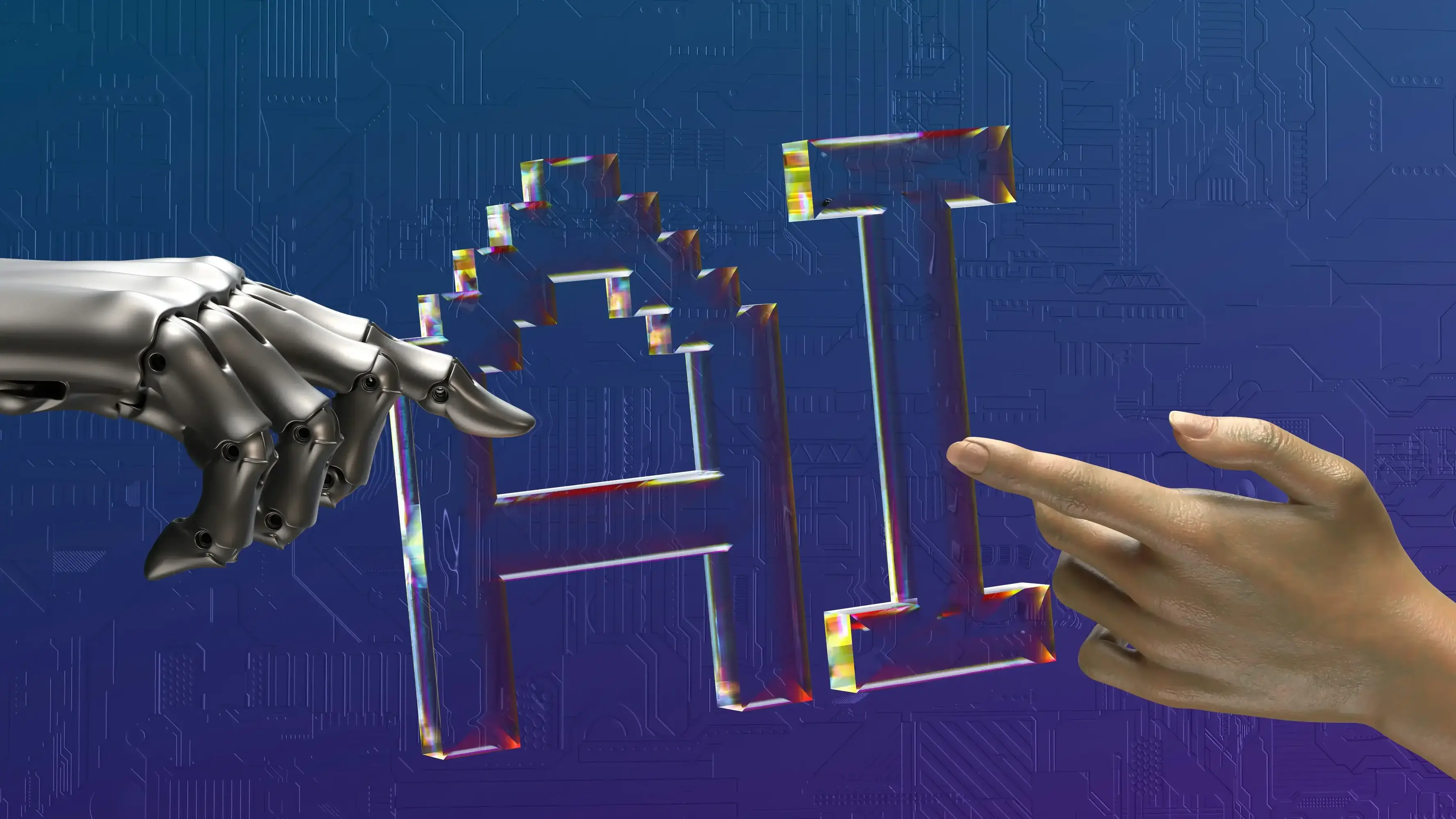


Artificial intelligence is the development of computer systems that perform tasks that typically require human intelligence. It is founded on the core pillars of machine learning, deep learning, and natural language processing.
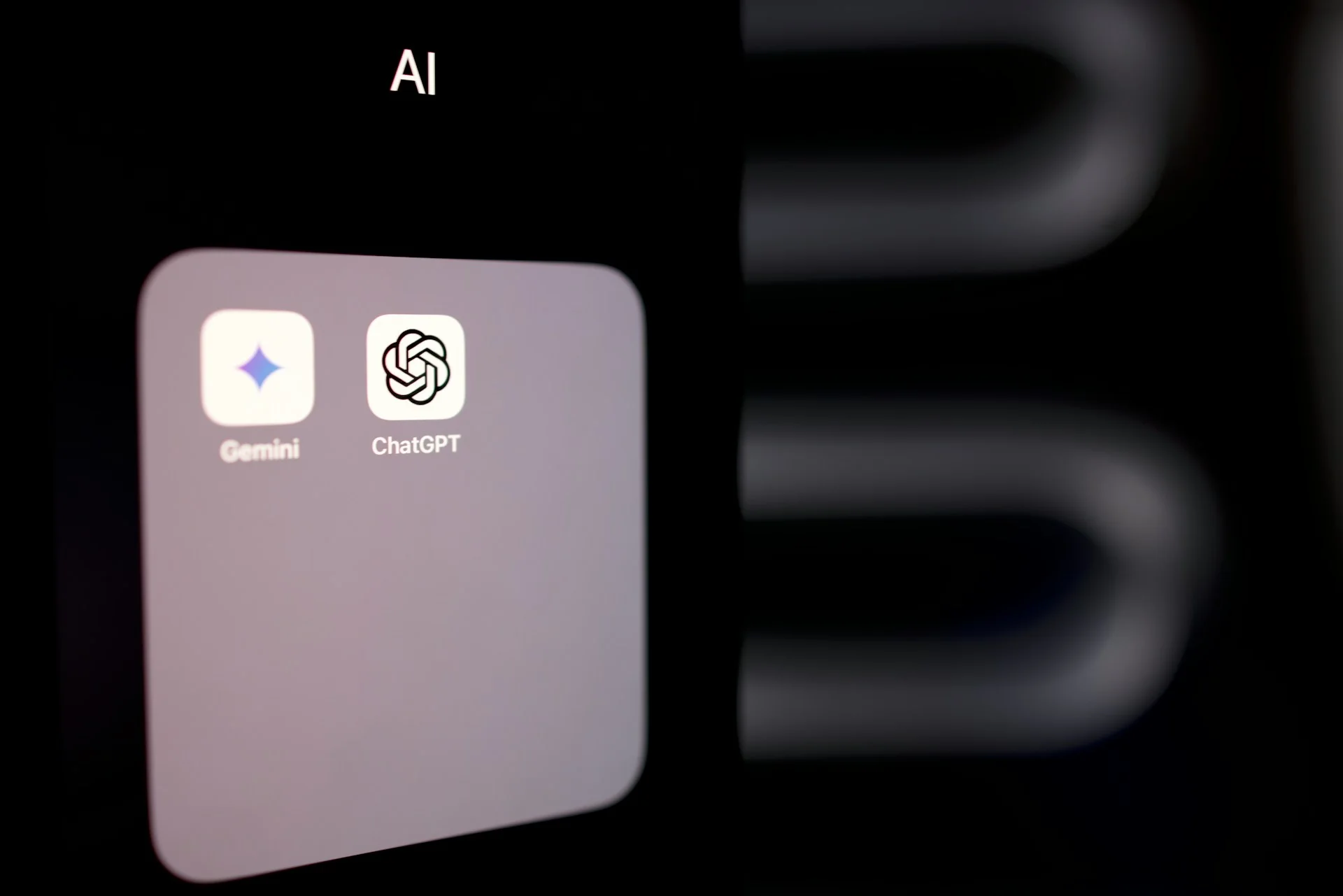
In November 2022, OpenAI launched a free web app called ChatGPT. To many of us, it was a simple app that answered questions when you asked it, just like your regular search engine. But what we did not know is that this was the culmination of the concept of artificial intelligence.
As of January 2023, ChatGPT was already the fastest-growing web app ever created. Its capabilities expanded beyond expectations, and it took the whole world by storm. While it may not have been your first introduction to AI, but it definitely brought it to your fingertips.
Now, AI has spread through basically all industries. It has become a major driver for innovation, and it's only getting started. If you want to stay up to date, here are some of the biggest AI innovations and how they are reshaping the world.
10 New Innovative AI Tools
A 2023 survey by IBM shows that about 42% of businesses have integrated AI into their operations, and another 40% are en route to that decision as well. Out of the original 42%, there has been immense growth as they incorporate results of generative AI development into their workflows.
What are the AI innovators that drive these results? Here are 10 innovations in AI that you may have already heard about.
Microsoft Copilot
You can have a super-smart assistant right inside your Windows, Microsoft 365, and web browser, ready to help with work, research, and creativity. That’s Microsoft Copilot. It’s a personal AI that is designed to boost efficiency by blending web intelligence with your work data. It has boosted productivity enormously for students, remote workers and even business enterprises.
Microsoft is also diving deep into what ‘digital humans’ will look like in the near future. Wild, right? They are helping to automate every single task from drafting an email, analyzing data, or brainstorming ideas. If AI had a personal assistant job, Copilot would be running the whole show. What an innovation.
Claude 2
Not too far off from copilot is Claude 2. It is an AI coworker innovation. Developed by Anthropic, Claude 2 is a super helpful office buddy who’s always down to assist, no matter how big or small the task.
It can whip up detailed reports, help you craft the perfect email, and even more. Claude 2 is here to make work (and life) smoother. Plus, it’s available via API and an easy-to-use web platform. With improved performance and longer responses, this AI assistant is stepping up the AI game.
Bard
Google’s Bard is built primarily for creative brainstorming and deep research. The developers created it to be a conversational AI that combines Google’s vast knowledge with an AI touch.
Whether you need a quick fact-check, an in-depth explanation, or a creative partner, Bard is ready to assist. And guess what? More and more people are turning to Bard for information, with its web traffic hitting 8.7 million in late 2023. This AI innovation is becoming a fan favorite.
GPT-4
OpenAI’s GPT-4 isn’t just another AI model. It is miles ahead of every other one. Imagine a system so advanced it can ace the US bar exam, crush SAT tests, and handle complex tasks like a pro.
Released in 2023, GPT-4 is sharper, more intuitive, and more powerful than its predecessor, GPT-3.5. We choose to highlight GPT-4 instead because it is the newer innovation from OpenAI. The platform does more than answer questions. It can have deep, meaningful conversations, creative writing, and even code programs.
This AI is setting the standard for what’s possible and an innovation for businesses, students, and creators alike. If you thought ChatGPT was smart before, you haven’t seen anything yet.
IBM watsonx
IBM’s watsonx is about making AI work for businesses in the smartest way possible. Think of it as an AI workspace that helps companies integrate machine learning, automate workflows, and make data-driven decisions with confidence.
With Watsonx, IBM helps businesses use AI responsibly and transparently. The AI analyzes trends and assists in decision-making. If you’re looking for a serious, no-nonsense AI that means business, this one’s got your name all over it.
Llama 2
Meta’s Llama 2 proves that open-source AI can be just as powerful as the big-name proprietary models. With 40% more training data than its predecessor, Llama 2 is designed for developers and businesses looking to get more innovation.
It outperforms many other open-source models in reasoning, coding, and knowledge. All the other models are AI, but it just shows that innovation is just at the tip of your fingertips. With Meta backing it, Llama 2 is expected to push AI’s boundaries even further.
Duet AI
Google Cloud’s Duet AI is one of the most innovative AI tools. Whether you’re navigating Google Cloud, coding, or handling data, Duet AI is there to assist. It acts as a productivity booster. So, for anyone who needs it, it can help you with answering questions and guiding you through complex tasks.
With its natural language interface, you don’t need to be an expert. All you need to ask is for Duet AI to help.
Adobe Firefly 2
Built on Adobe’s powerful Sensei platform, Firefly 2 is the ultimate AI for artists, designers, and creatives looking to push boundaries. Their innovative edge is AI-generated images, design assistance, or fresh ideas. It’s designed specifically for people who think visually. The best part is that it is embedded into Adobe’s ecosystem, making creativity smoother, faster, and more innovative than ever.
DALL-E 3
If you’ve ever wished for an AI that could turn your wildest ideas into stunning images, DALL-E 3 is here to make that dream come true. This next-gen text-to-image model takes precision and creativity to a whole new level.
It captures intricate details and even nails tricky elements like hands and text. Integrated with ChatGPT, DALL-E 3 makes it easy to refine and tweak images with just a few words.
Gemini AI
Google’s brand-new AI, Gemini, is here to shake things up. Just launched in December 2023, Gemini is set to be one of the most advanced AI models ever. With multimodal capabilities, it can process text, images, code, and data all in one go.
Whether you need it for research, analytics, or content creation, Gemini AI is designed to be smarter, more intuitive, and incredibly versatile. The AI world better make room – Gemini is here to dominate.
Innovative Applications of AI In Different Industries
While ChatGPT was a major tipping point for AI innovation, there were already foundations laid in place over years. In the early 2000s, machine learning was used to solve problems in many industries like manufacturing and academia. It was majorly successful due to the computer hardwares.
It only went up from there and here some of the major innovations in AI over the course of the years:
Healthcare
Humans have been plagued with numerous diseases since we can remember. Doctors and other healthcare practitioners work tirelessly to research and create new methods for treating patients. The addition of AI has made it just a tad easier and it is only going to get better.
AI innovation in healthcare has expanded into drug discovery, patient consultations, and research. AI algorithms can also analyze massive datasets to identify potential treatments in record time. This speed can save a person’s life.
Furthermore, virtual doctors and chatbots provide instant medical advice to reduce the burden on healthcare professionals and make quality care more accessible. Plus, AI helps in diagnosing diseases earlier and more accurately, leading to better treatment outcomes.
Finance
The finance world is embracing AI like never before. For one, AI fraud detection systems analyze transactions in real time to spot suspicious activity before it causes harm. On the investment side, AI-powered algorithmic trading makes split-second decisions based on market trends and helps investors maximize profits and minimize risks.
Whether it’s detecting fraud or making smart stock trades, AI is innovating finance by making it more secure, efficient, and profitable. The next time you swipe your card or invest, remember that AI is working behind the scenes.
Retail
Ever wondered how online stores seem to know exactly what you want? That’s action. AI-driven recommendation engines analyze your browsing history, past purchases, and even your mood to suggest products you’ll love.
In physical stores, AI checkout systems and smart shelves enhance the shopping experience. They reduce wait times and keep inventory stocked. Some brands even use AI-driven virtual stylists to help customers pick outfits. Shopping is no longer just about walking into a store or scrolling through a website, it is now an ultra-personalized, seamless experience.
Entertainment
The entertainment industry is getting a high-tech makeover with AI. Deepfake technology can create hyper-realistic videos and allow actors to appear in movies without physically being on set.
AI-driven tools also generate music, write scripts, edit videos, and even translate videos to help creators reach global audiences, drastically speeding up production and enhancing creativity. Streaming platforms use AI to recommend shows based on your viewing habits, ensuring you never run out of great content.
Manufacturing
Factories are getting smarter, and AI is leading the charge. Self-learning robots now work alongside humans in factories to help assemble products with incredible precision. The manpower is still there but AI innovations have made it easier on the labor.
AI also has predictive maintenance that ensures that machines are repaired before they even break down, reducing downtime and saving money. Smart factories use AI to optimize production lines, minimize waste, and boost sustainability.
Agriculture
AI is helping farmers grow more food with less effort. Smart farming tools use AI powered drones and sensors to monitor crops. For animal farms, there are systems that help detect diseases, and organize the inventory.
Precision agriculture with AI innovation ensures that each plant gets exactly the nutrients and water it needs, reducing waste and increasing yields. AI also helps predict weather patterns, allowing farmers to make smarter planting decisions. The result? Higher crop yields and more efficient farming.
Cybersecurity
Cybersecurity is no longer just about reacting to attacks. With AI innovations, we can now prevent security problems before they happen. AI security systems continuously scan networks to identify unusual behavior that could signal a cyberattack.
These smart systems learn from past threats and that is what AI does. From the learning, it becomes better at predicting and stopping future breaches. The self-learning process is the AI innovation.
Another security benefit is the authentication methods, like facial recognition and behavioral analysis. They help protect personal data or secure corporate networks to ensure our online world stays safe. By staying updated with emerging threats and vulnerabilities, software supply chainsecurity news helps organizations strengthen AI-driven defenses by identifying risks in third-party components early, ensuring more proactive and resilient cybersecurity protection.
New Computing Innovations
Quantum computing solves complex problems at speeds unimaginable today. Neuromorphic computing, for instance, is inspired by the human brain. It makes AI smarter and more energy-efficient.
Meanwhile, edge AI brings real-time processing to devices like smartphones and IoT gadgets to reduce reliance on cloud computing. These innovations make AI faster and more accessible in everyday tech.
Benefits of AI Innovations
AI is making things easier, faster, and even more efficient than ever. There are different ways it happens. For one, its biggest benefit is automation. In many industries, the manpower often fails because of how repetitive and cumbersome it becomes. If anything, productivity drops lower when you have workers doing the same thing over and over. This does not happen with AI.
AI machines handle repetitive tasks so they can free up humans for creative work. There is nothing better than this. In healthcare, AI helps doctors diagnose diseases faster and develop new treatments. In business, AI enhances decision-making by analyzing vast amounts of data in seconds.
Furthermore, AI also improves customer experiences, from personalized shopping recommendations to virtual assistants. In many businesses, AI is raking in more users and income because of this simple innovation. With AI, industries are becoming more productive and innovative than ever before.
The Challenges With Artificial Innovation
Despite its incredible benefits, AI isn’t without challenges. The major issue is job displacement. And anyone who feels this way is not too far off. Many businesses appreciate AI but do not see that it is to be used in conjunction with human talent.
Automation can replace certain jobs, like writing, data collection and more. This forces workers to adapt and possibly be out of a job. AI also raises ethical concerns. After all, it is still a computer system. There might be bias in algorithms and privacy risks with data collection.
Another major challenge is security. Hackers can exploit AI systems and cause cybersecurity threats. But this hardly happens because there are more than enough safety measures put in place to prevent it.
However, what cannot be prevented is the massive amounts of data and computing power that is required by AI systems. Many of them cause an arm and a leg to develop and maintain. And after installing them, you run the risk of over-reliance on AI, where human decision-making takes a backseat.
Takeaway
If you thought you had seen it all with AI, think again. The current innovations have broken the barriers for what is humanly possible and even more beyond that. It brings ease and innovation to the day to day man in every space they find themselves. In healthcare, finances, education, and even lifestyle – Artificial intelligence is no longer just a futuristic idea, it's here.
{{cta="/service-blocks"}}