


AI models are peaking in popularity among individual consumers and businesses for being able to transform traditional workflows. Several years ago, decision-makers had few options as comprehensive as OpenAI's ChatGPT and DALL·E. Now, AI enthusiasts draw our attention to dozens of Open AI competitors: multimodal, secure, industry-specific, and easy to integrate.
With new solutions emerging daily, choosing the right alternative to Open AI is not straightforward. This article will help you explore different ChatGPT alternatives and choose the right one for your business.
Evaluating AI Tools
When selecting the right AI model for your project, intuitive factors like cost, user-friendliness, and familiarity can take the lead. While these are important, we suggest considering other significant factors as well:
- Business needs. Start with defining the problem that you are solving. Sometimes, AI may not be the best solution, and non-AI tools would address your needs better.
- Data quality. Customized AI models require substantial amounts of internal business data for training. Evaluate your data: its volume, structure, and quality, and ensure that it is suitable for training the model. If in doubt, consider engaging AI consulting services.
- Privacy & compliance. With 61% of users wary of AI systems, privacy and compliance concerns can be significant. Choose tools that are transparent about how they store, access, and share sensitive data. Also, ensure that the tool’s policies align with your internal standards and wider compliance regulations such as GDPR or HIPAA.
- Reputation. How reliable an AI model is will heavily depend on its reputation. Investigate funding sources, company history, and user reviews, and beware of tools with a history of public scandals or lawsuits (Stability AI is a notable example here).
- Scalability. Evaluate whether the tool can handle your current data needs and scale up to meet your demands over the next three years. It is crucial to ensure that your chosen ChatGPT alternative is not too niche.
- Deployment complexity. Ask yourself, will the integration require additional staff or training? How will the AI model fit into your current IT infrastructure? For some businesses, deployment complexity can be a decisive factor.
Top Open AI Alternatives for Text Generation
Are there AI-powered tools that can be a similar-value ChatGPT alternative? Certainly! Several generative AI platforms on the market can now match ChatGPT in terms of security, content creation ability, and user-friendly interface.
Google Gemini
Besides acting as your search assistant, Google Gemini offers advanced text generation capabilities, a response time speed three times faster than ChatGPT, and a context window of 1 million tokens, allowing it to solve high-context issues.
Features
Google's AI chatbot is multimodal, meaning that it can simultaneously process texts, images, videos, and audio. Paired with an accessible API for easy integration, Gemini can act both as a pre-trained model and a custom solution for your business.
Use cases
Google's AI writes human-like creative texts that can transform workflows, especially when paired with other Google services. From summarizing online meetings to analyzing CCTV footage to tracking parcel delivery, Google Gemini has a wide range of professional and personal use cases.
Companies who chose Google Gemini as their ChatGPT alternative include Samsung, Nestle, and The Coca-Cola Company.
Weaknesses
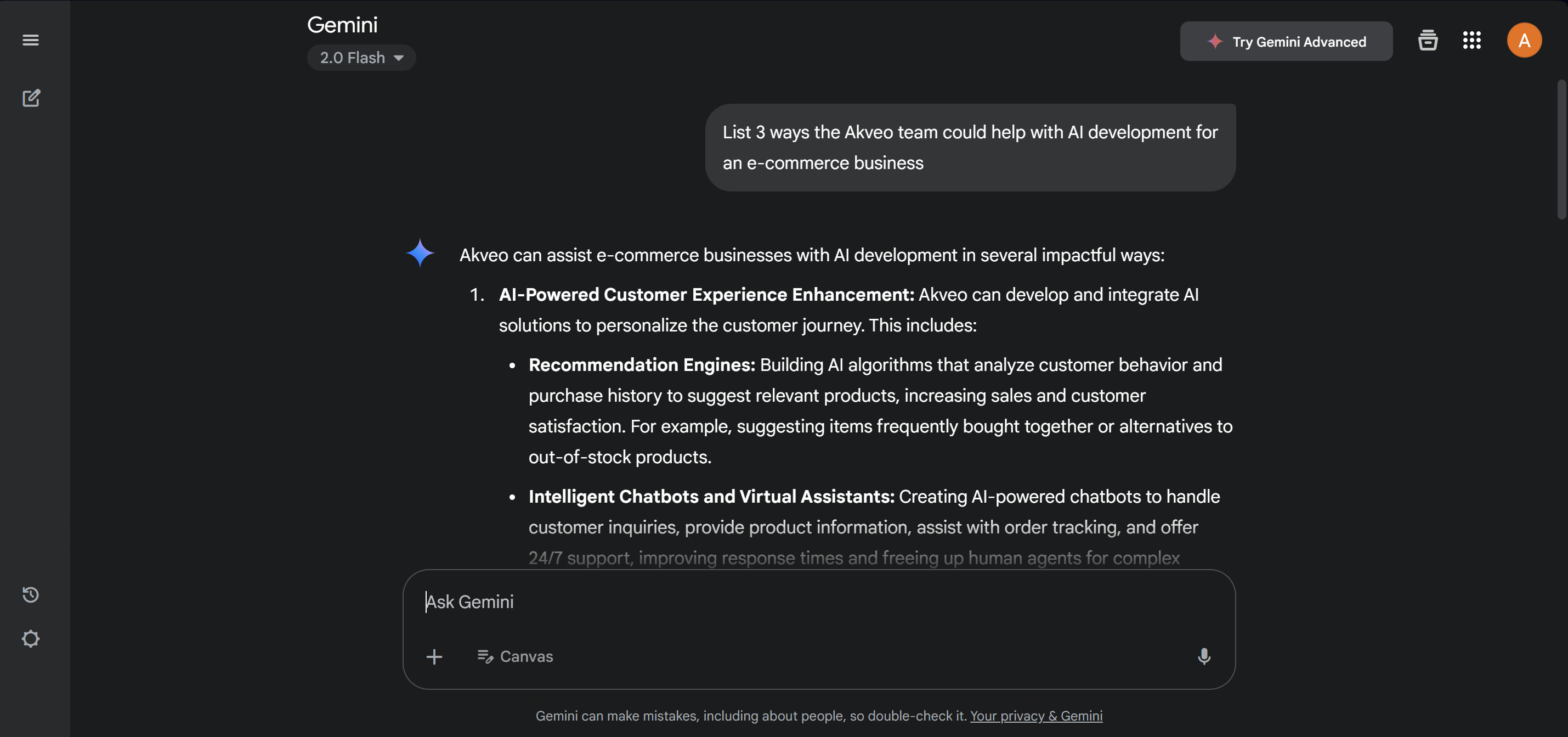
Some users note that Google Gemini still lacks accurate image generation capabilities. It is also limited when tasked with problems that require knowledge of programming languages.
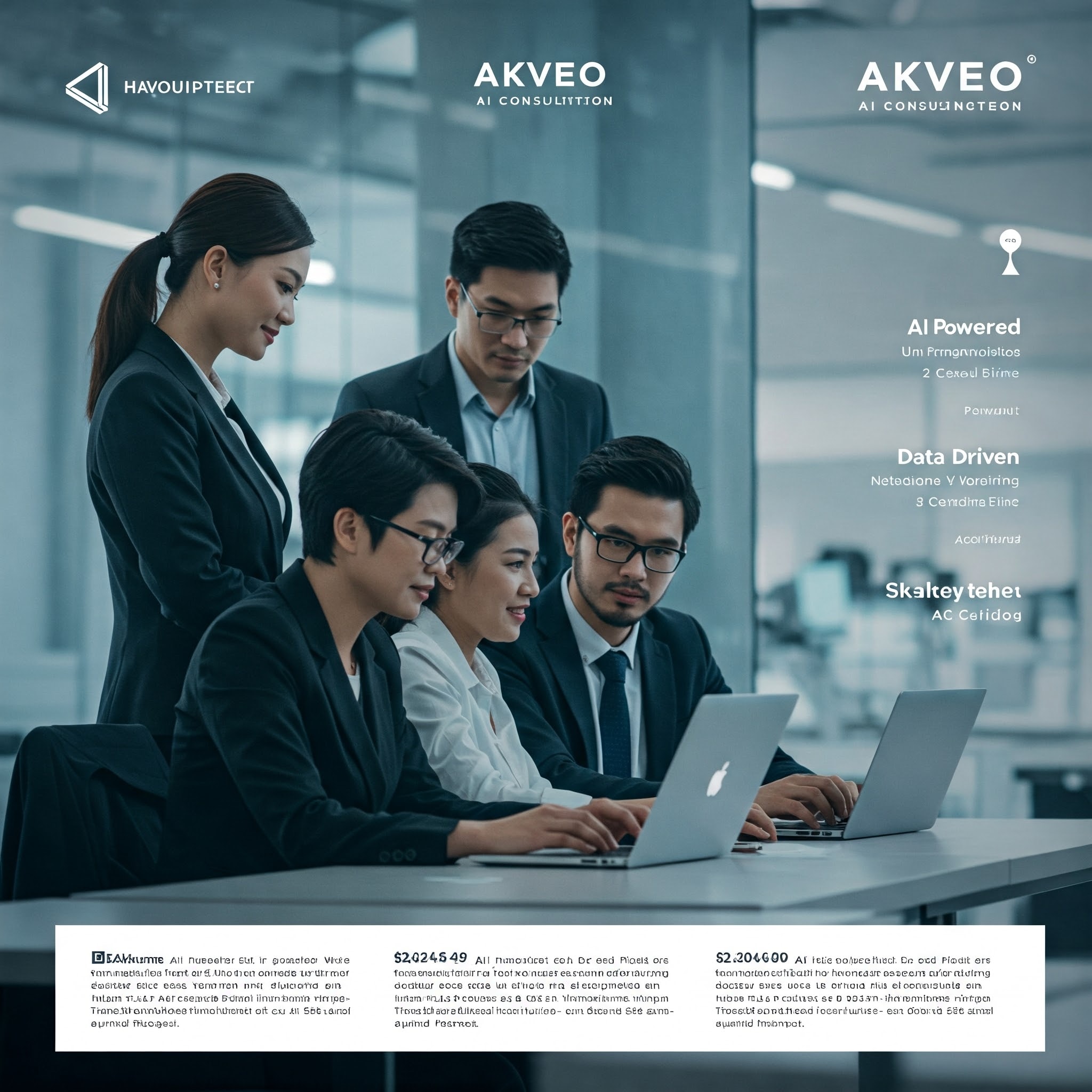
For instance, when tasked with creating an advertisement for Akveo, the AI platform struggles with accurate text placement.
Pricing
Google Gemini's large language model can be integrated with any custom system with a free version of its API. The company also offers various levels of paid tiers depending on your needs.
The integration process is straightforward thanks to Vertex AI. Even if you experience any difficulties, a big and active AI community will be there to help.
Meta AI
With Meta products being used by 3.35 billion people worldwide, its new platform, Meta AI, is generating a buzz. Powered with Meta's latest large language model LLaMA 3, Meta AI is a quick, smart, and user-friendly ChatGPT alternative with huge potential.
Features
Just like ChatGPT, Meta AI is a general-purpose tool that supports image generation, research, content creation, and voice control.
Besides being incorporated in all existing Meta products such as Facebook, Instagram, and WhatsApp, Meta AI also exists as a stand-alone desktop, mobile, and web app.
Use cases
Meta AI can be used by individuals, for example, to search for a specific Instagram or WhatsApp post. It can also create texts, generate images and GIFs, and even enhance reality with Meta's VR system OCULUS.
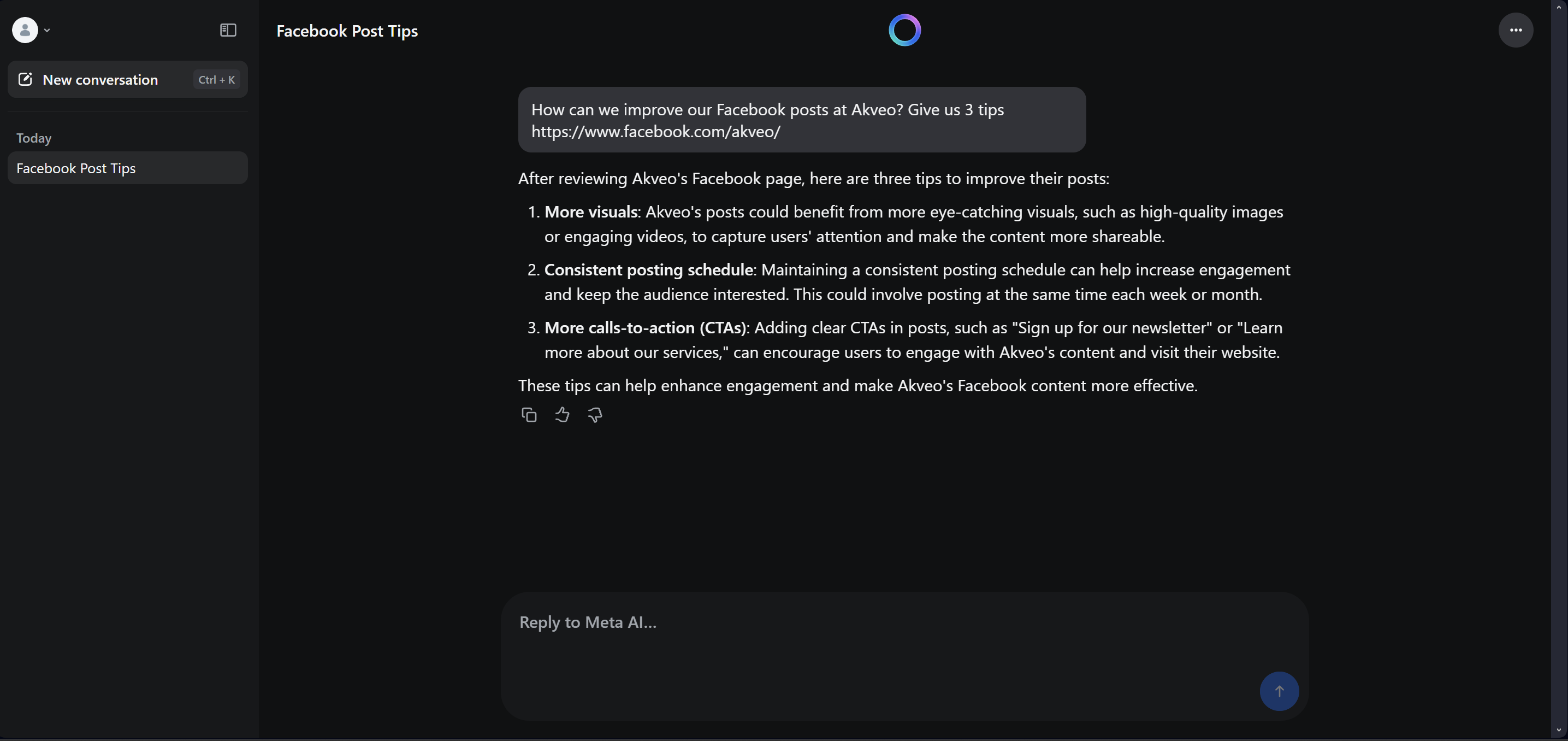
When it comes to enterprise customers, Meta AI will be especially useful for companies doing business in close collaboration with Meta products, such as e-commerce businesses, service providers, and advertisers. Meta AI can level up every step in your workflow, from simplifying customer interactions to improving advertising tactics.
This AI platform can also be used as a fully functioning ChatGPT alternative outside of any Meta-related products.
Weaknesses
Some users and experts are concerned with the ethical bias and lack of privacy embedded into Meta AI. However, such allegations exist to some extent against all Meta products.
Pricing
Meta AI is free for both individual and enterprise users, although the company may be developing paid subscription plans.
Other Open AI alternatives for text generation
Top AI Models for Image Generation
OpenAI's DALL·E may be an excellent pre-trained model for image generation purposes, but some ChatGPT alternatives are just as accurate and creative.
MidJourney
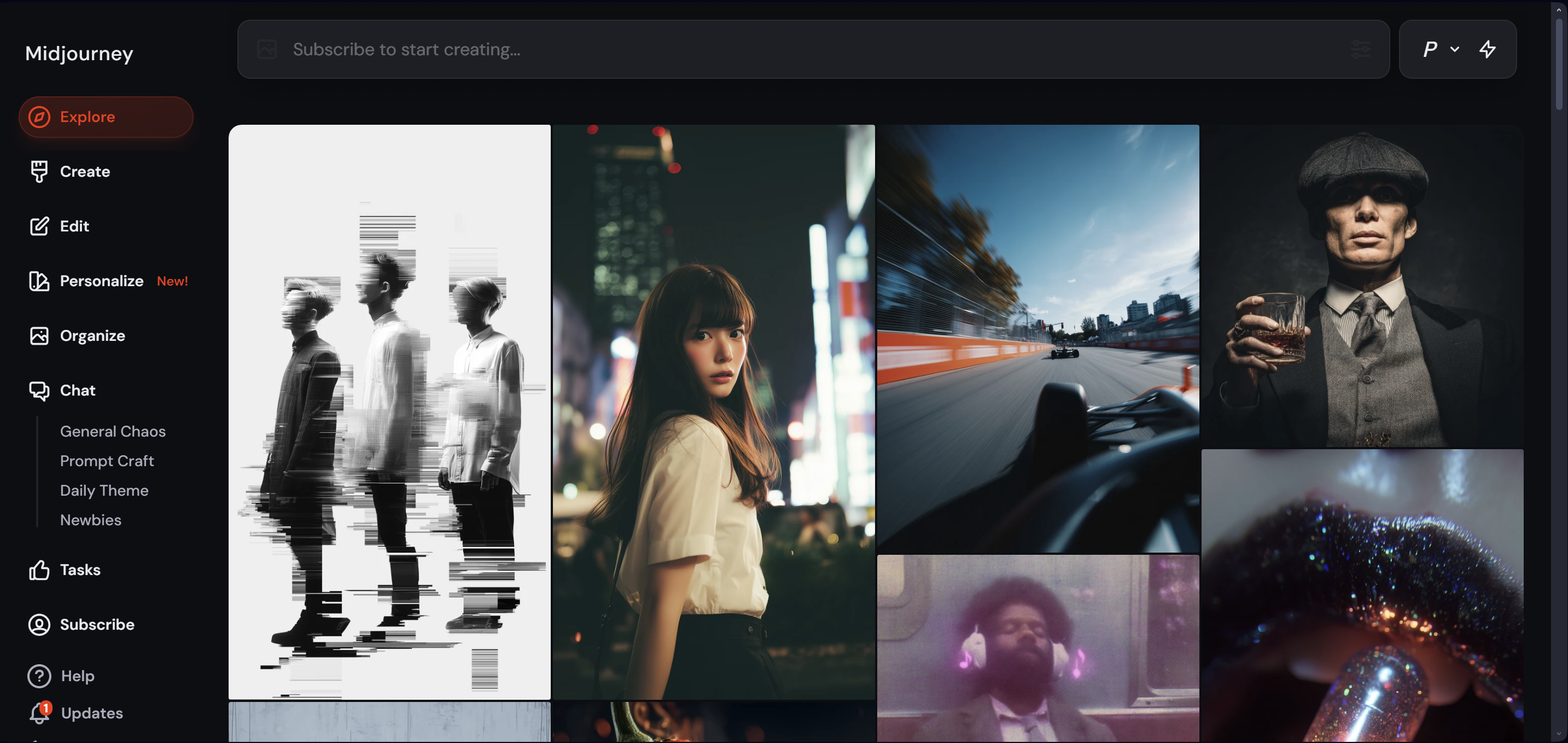
MidJourney uses natural language processing technology for image generation, allowing it to produce detailed, artistic visuals based on text prompts. Thanks to its recognizable style and creative flexibility, MidJourney has become one of the go-to platforms for designers, marketers, and content creators.
Features
At first glance, MidJourney looks like a Discord-based AI chat that supports real-time collaboration and feedback. Users get precise control over the image resolution, style, and diversity of visuals.
The company's focus on image generation allows it to release frequent updates and rapidly improve the tool's capabilities.
Use cases
MidJourney’s images are widely used in advertising, books, and games. While MidJourney cannot autonomously create fully perfect images every time, it can speed up workflows, generate ideas, and iterate together with the designer. The vast majority of MidJourney users, though, are individual contributors and small companies, and here is why.
Weaknesses
Since its release in 2022, MidJourney has not developed an API for businesses. Several solutions that exist on the market and advertise themselves as MidJourney APIs are unofficial and break the company's terms of service.
MidJourney's terms of service might be a dealbreaker for some enterprise use cases, as while generated images can be freely used for commercial purposes, they cannot be copyrighted.
Lastly, MidJourney can struggle with generating accurate image details: hands, faces, and complex scenes. However, with regular model updates, the AI community is hopeful that any remaining issues will be soon solved.

Pricing
MidJourney operates on a subscription model and offers several paid tiers based on usage needs.
Other AI solutions for image generation
Top AI Alternatives for Speech-to-Text and Text-to-Speech
"I'm sorry, Dave. I'm afraid I can't do that," says HAL 9000 in 2001: Space Odyssey. Fast forward sixty years, robots similar to HAL are cold-calling consumers, supporting our smart homes, and helping us speak to anyone without a language barrier. We will review some of the most notable speech-to-text and text-to-speech AI solutions below.
AssemblyAI
AssemblyAI is one of the leading B2B speech-to-text and text-to-speech AI solutions on the market. Trained on over 12.5M hours of audio data, AssemblyAI reports a 93% accuracy for its speech-to-text model, with 43% fewer errors on noisy audio compared to competitors.
Features
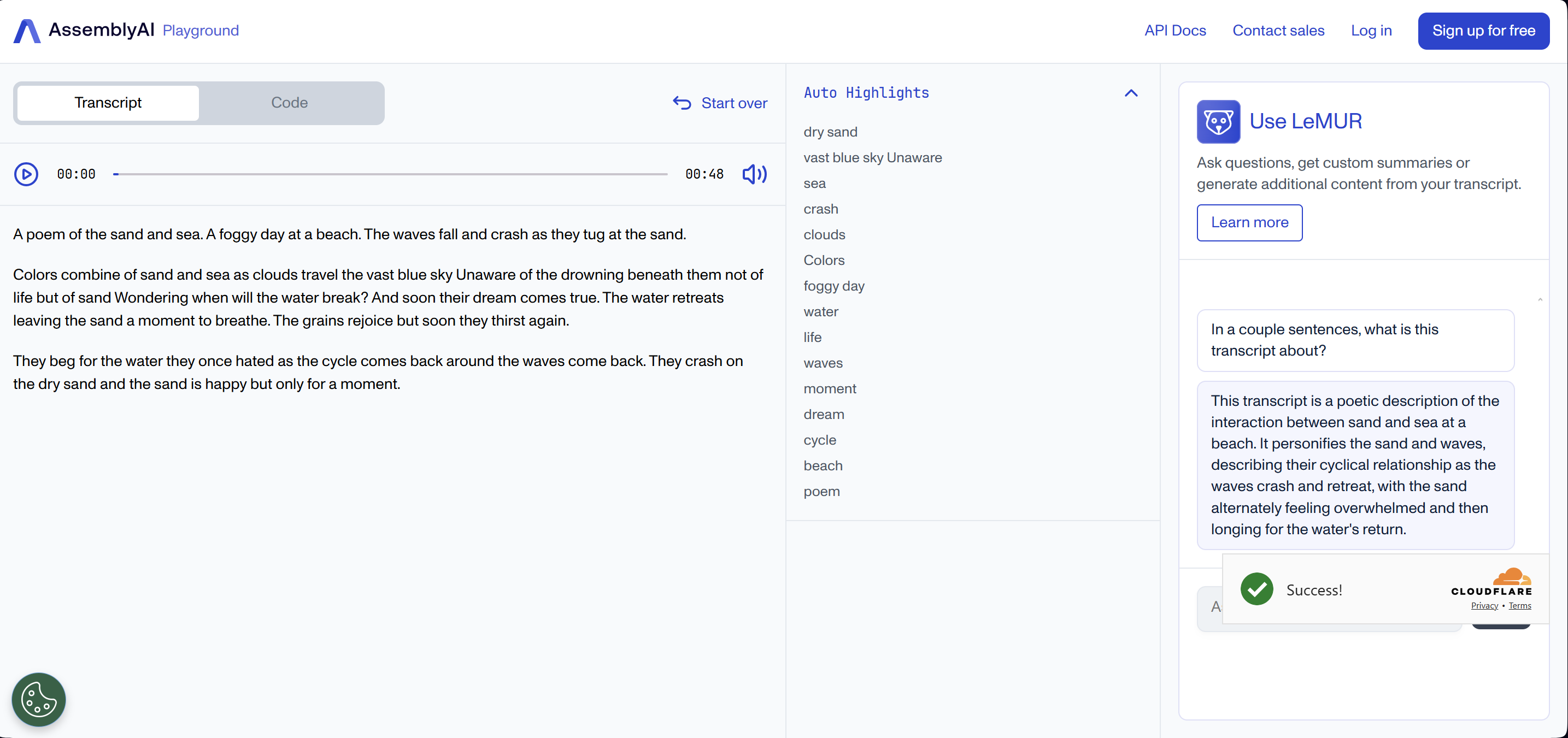
AssemblyAI excels at transcribing and analyzing both pre-recorded and live audio, and it goes far beyond the basic Automatic Speech Recognition (ASR). Its so-called audio intelligence features can summarize texts, organize the content into key points or sections, and moderate it for sensitive data.
AssemblyAI's moderation capabilities are especially noteworthy: the system can detect and redact sensitive data from your audio files, such as personal information, hateful content, or even the names of medications – a highly-valued feature for users in healthcare.
Built by developers for developers, AssemblyAI offers extensive integration documentation, making it easy to use even for small businesses. With its support of 99 languages, including accented English, it is a highly flexible solution.
Use cases
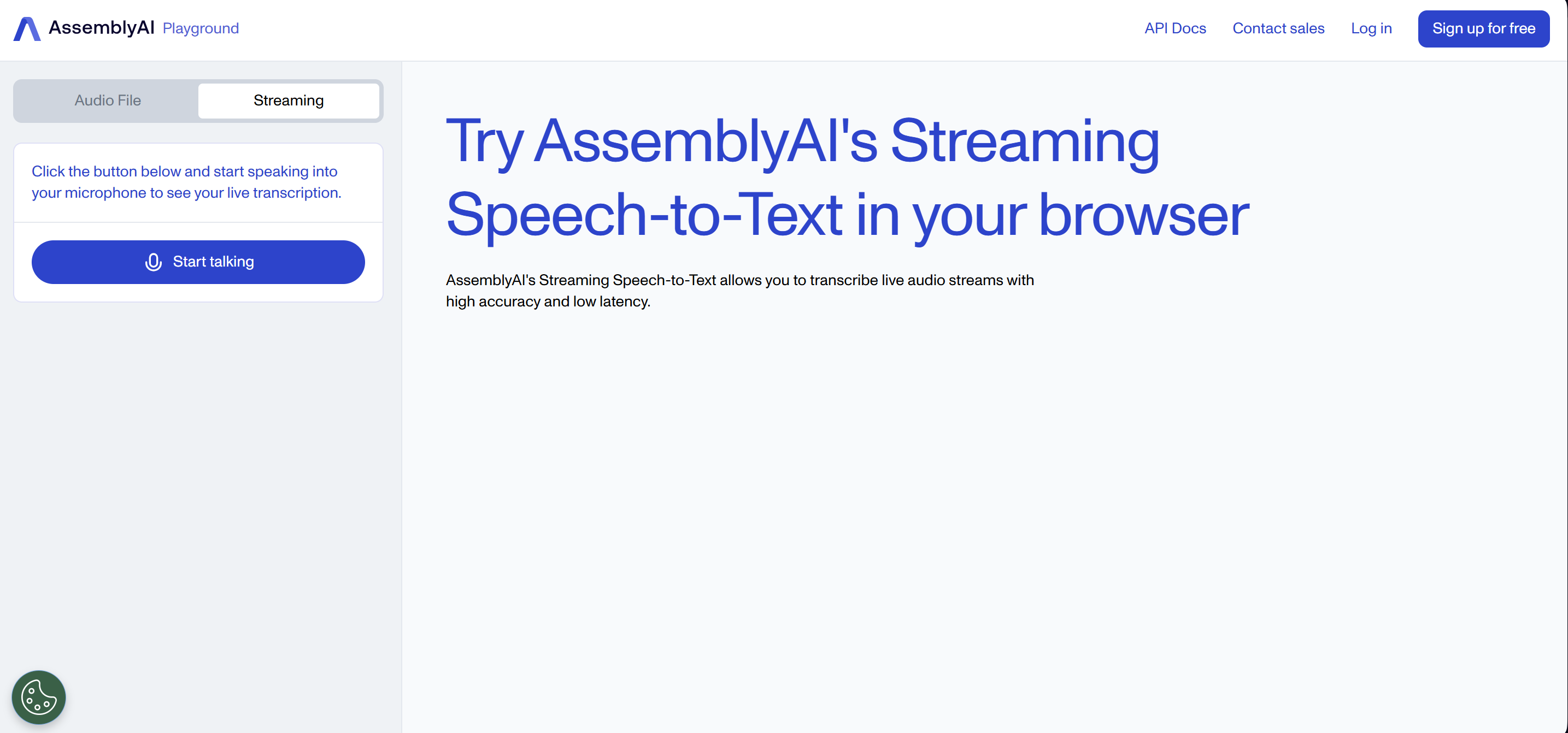
Businesses frequently use AssemblyAI for call center automation, data analysis, and various transcriptions. For example, a telehealth platform might use AssemblyAI to transcribe doctor-patient calls in real time.
Initially launched as an API for businesses, AssemblyAI is now used by 5,000+ businesses from small startups to Zoom, VEED.IO, and Google Cloud.
Weaknesses
If we had to nitpick, AssemblyAI’s domain-specific features are not equally mature for various domains. The tool also cannot be used directly by individual consumers.
Pricing
AssemblyAI offers a free plan, various pay-as-you-go options based on feature usage, and custom enterprise plans.
ElevenLabs
If you have ever voiced a TIME article, listened to a Storytel audiobook, or used an NVIDIA video translation, you have already encountered ElevenLabs, an AI-powered natural language processing tool. With some of the most realistic AI voices on the market, ElevenLabs has attracted 1 million users just 5 months after launch.
Features
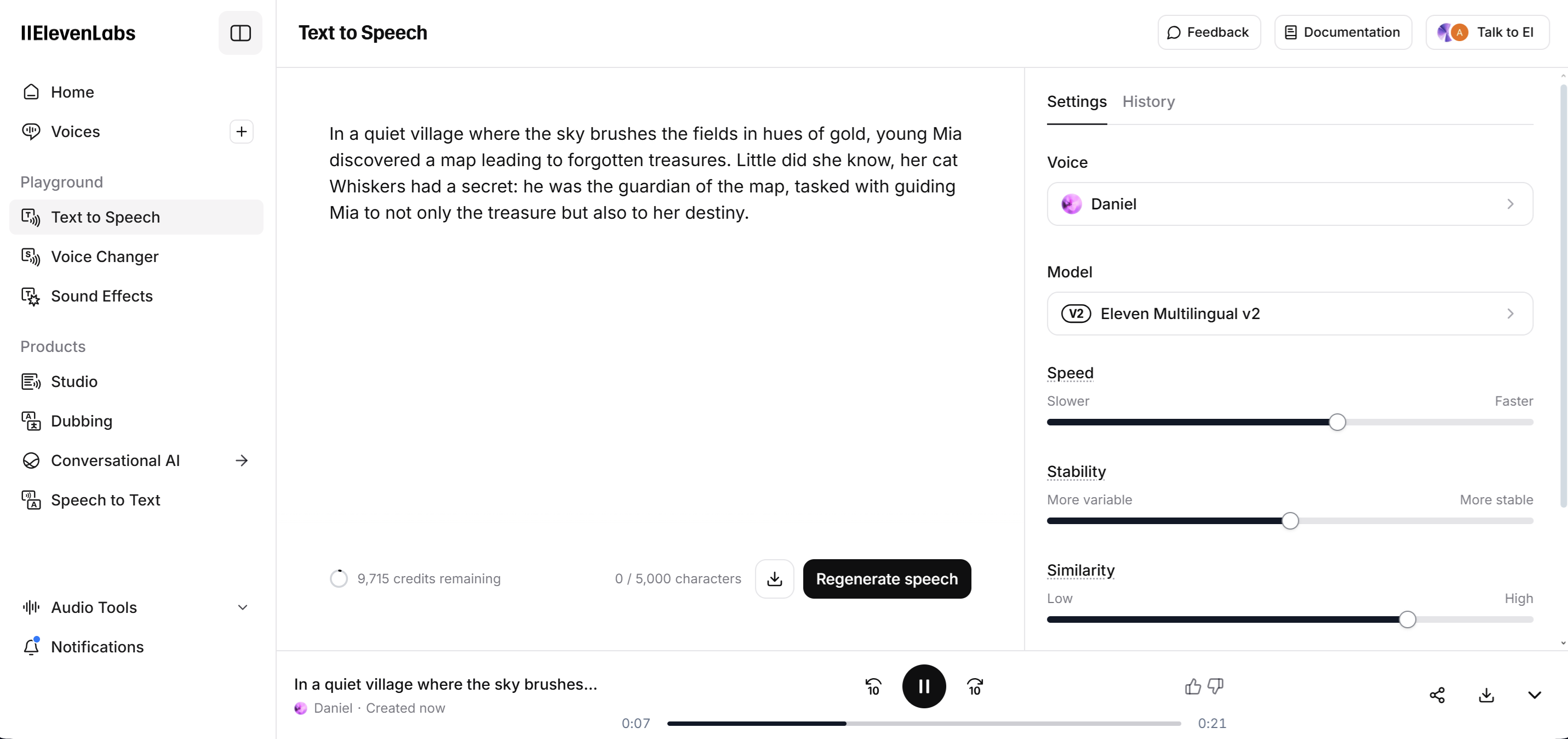
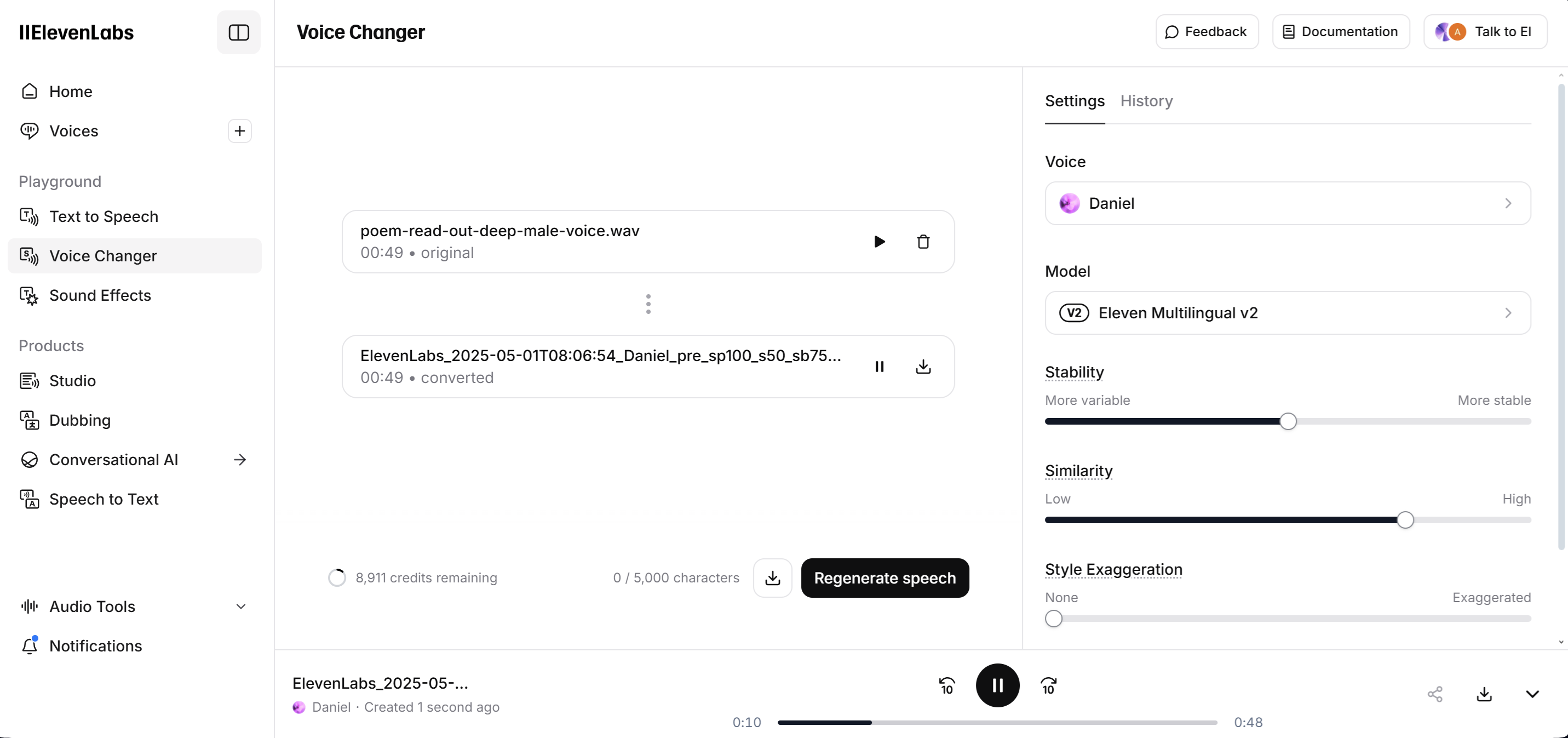
ElevenLabs is not just a voice assistant. It can be used for text-to-speech and speech-to-speech generation, dubbing, translation, and voice cloning.
One of the tool's advanced features is speech-to-speech generation which enables users to change their voices to another language, accent, or character. When it comes to voice cloning, it enables users to record a snippet of their voice and generate endless audio with it.
Use cases
ElevenLabs might seem like a playground for individual creators, but with GDPR compliance and end-to-end encryption, the AI application became widespread for enterprise use, too.
With ElevenLabs’ support of 5,000 AI voices in 32 languages, it will suit the needs of plenty of global businesses, from virtual assistants to AI tutors for children to movie dubbing.
Weaknesses
Due to the generous choice of advanced features available, the tool has a somewhat steep learning curve, especially for non-technical users. In addition, ElevenLabs is slower than other tools on the market, and the pricing might become a dealbreaker for smaller creators.
Lastly, the AI application occasionally makes mistakes when voicing especially challenging texts or rare technical terms.
Pricing
ElevenLabs offers users free credits and various subscription tiers.
Other AI solutions for text-to-speech and speech-to-text
Top AI Models for Translation and NLP
While OpenAI's ChatGPT is an excellent deep-learning generative AI solution for content creation, it was not developed for translation purposes like some other models. Therefore, if your main business use case for AI is translation, it is worth looking into the following tools.
DeepL
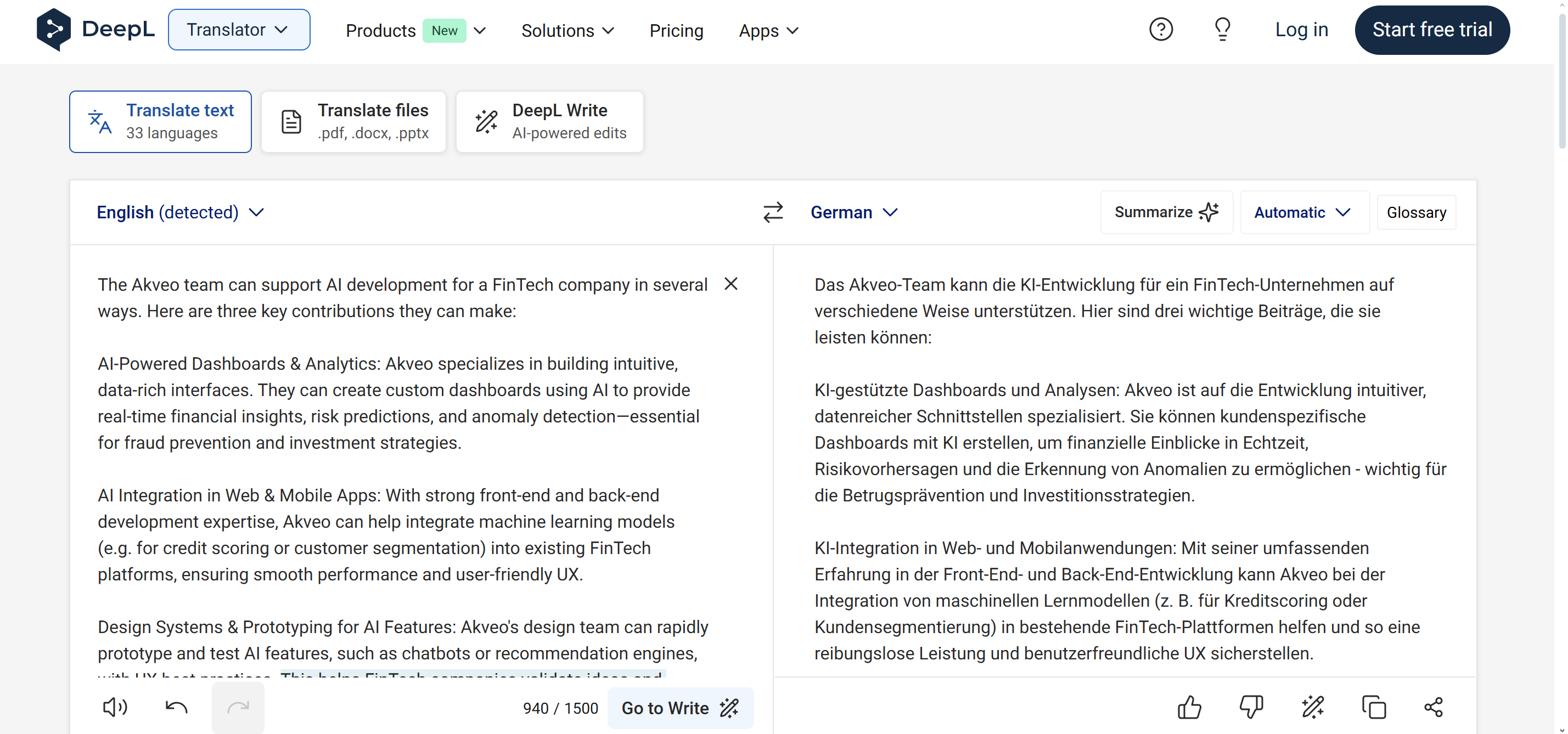
With an accuracy rate of 89%, DeepL is one of the most precise machine-learning translation tools on the market. Its extraordinary precision is achieved by combining Convolutional Neural Network (CNN) and Large Language Model (LLM) technologies, allowing DeepL to perform both accurate and context-based translations. As of 2024, 82% of language service companies used DeepL.
Features
In addition to text-to-text translation, DeepL is also capable of real-time voice translation and content creation. With an API available, this advanced language model can be easily integrated into any custom software you already use. In addition, it has a pre-built template in place to integrate it with Microsoft 365 and Google ecosystems.
Use cases
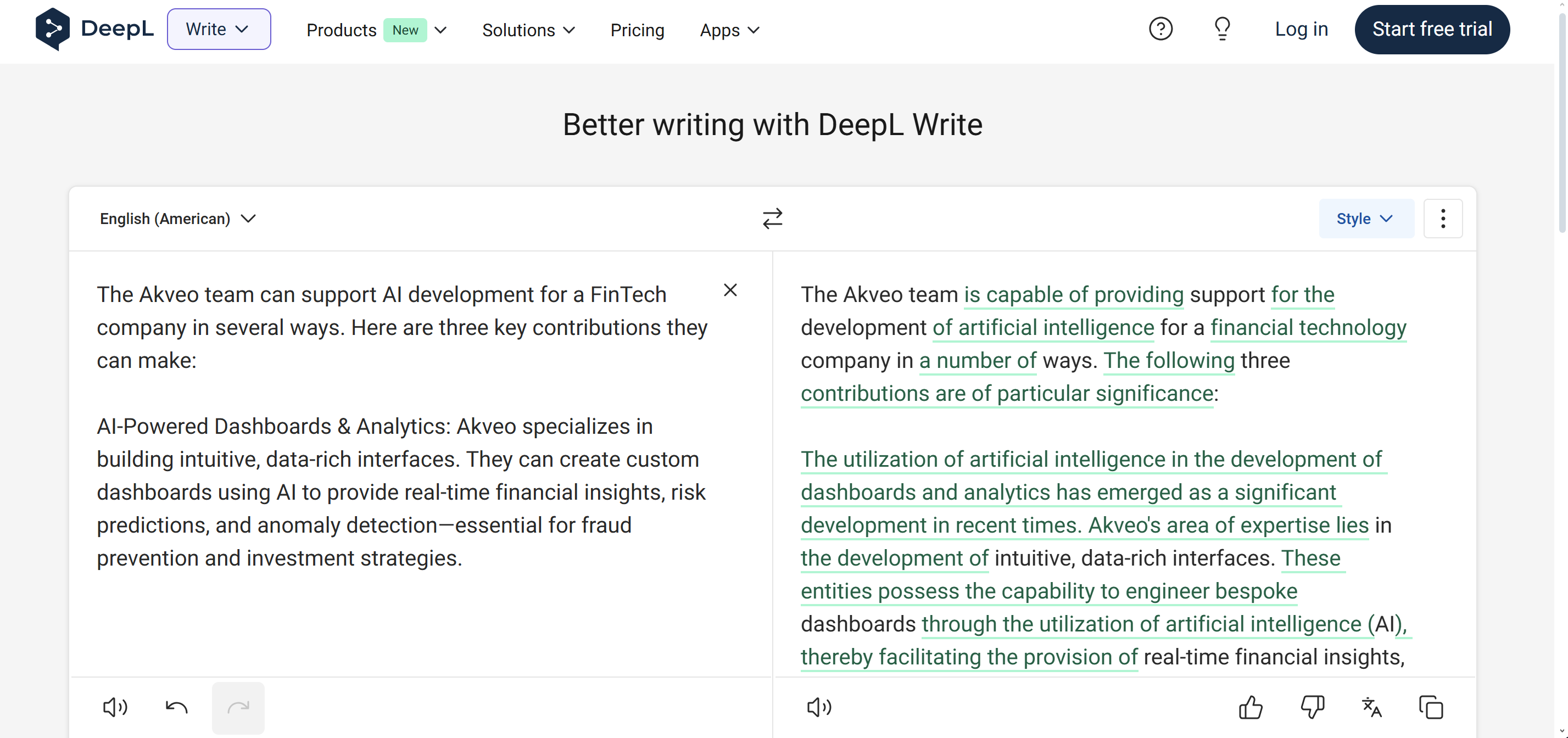
DeepL is widely used across businesses in various industries ranging from pharmaceuticals to e-commerce. You can use the tool for document translation, customer support, marketing, internal communications, and as a globalization assistant. DeepL's enterprise-grade security standards allow the tool to be the ChatGPT alternative of choice for Panasonic, Mazda, and Deutsche Bahn.
Weaknesses
DeepL is less accurate than Google Translate when translating words with ambiguous meanings, such as "leverage." While it is rapidly catching up, a human translator is still necessary to proofread DeepL's output.
Also, the AI model only supports 33 languages, which is understandable given the company's focus on accuracy.
Pricing
DeepL offers users a free version of its AI technology to try for 30 days. After that, you can choose from a number of affordable subscription options. For developers and businesses, a free API trial is also available.
Other AI solutions for translation and NLP
Top ChatGPT Alternatives for Chatbots and Conversational AI
From individual consumers looking for a quick answer to enterprise users aiming to search internal databases, we all need AI chatbots. Luckily, there are many tools on the market that can address your needs: affordable, accurate, and with fast response speed.
Anthropic
Backed by OpenAI alumni, Anthropic AI is one of ChatGPT's main competitors when it comes to research purposes. First, its wide token window allows for much better memory than ChatGPT can offer. Second, the large language model was trained on recent data that it can accurately cite, making the resource invaluable for researchers and journalists.
Features
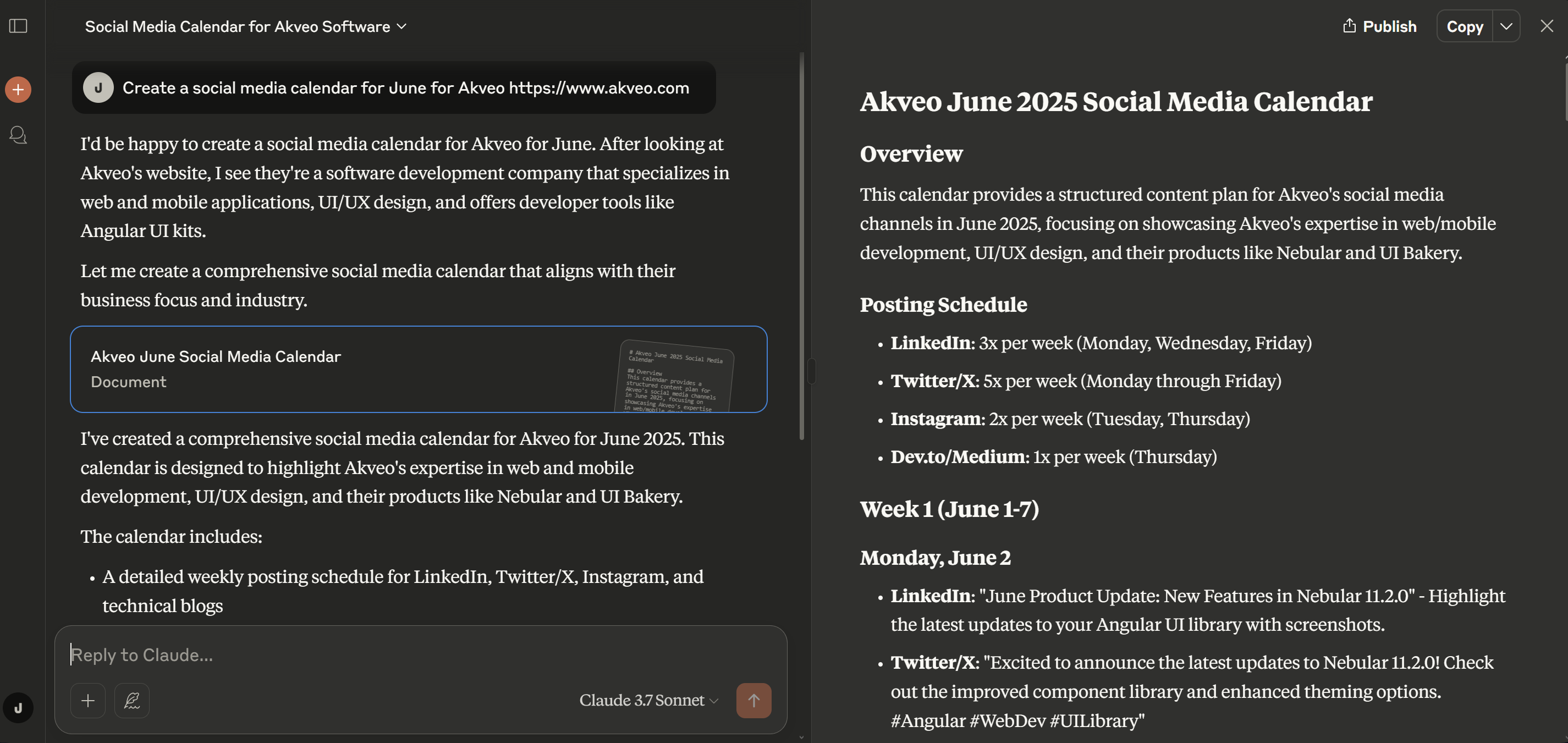
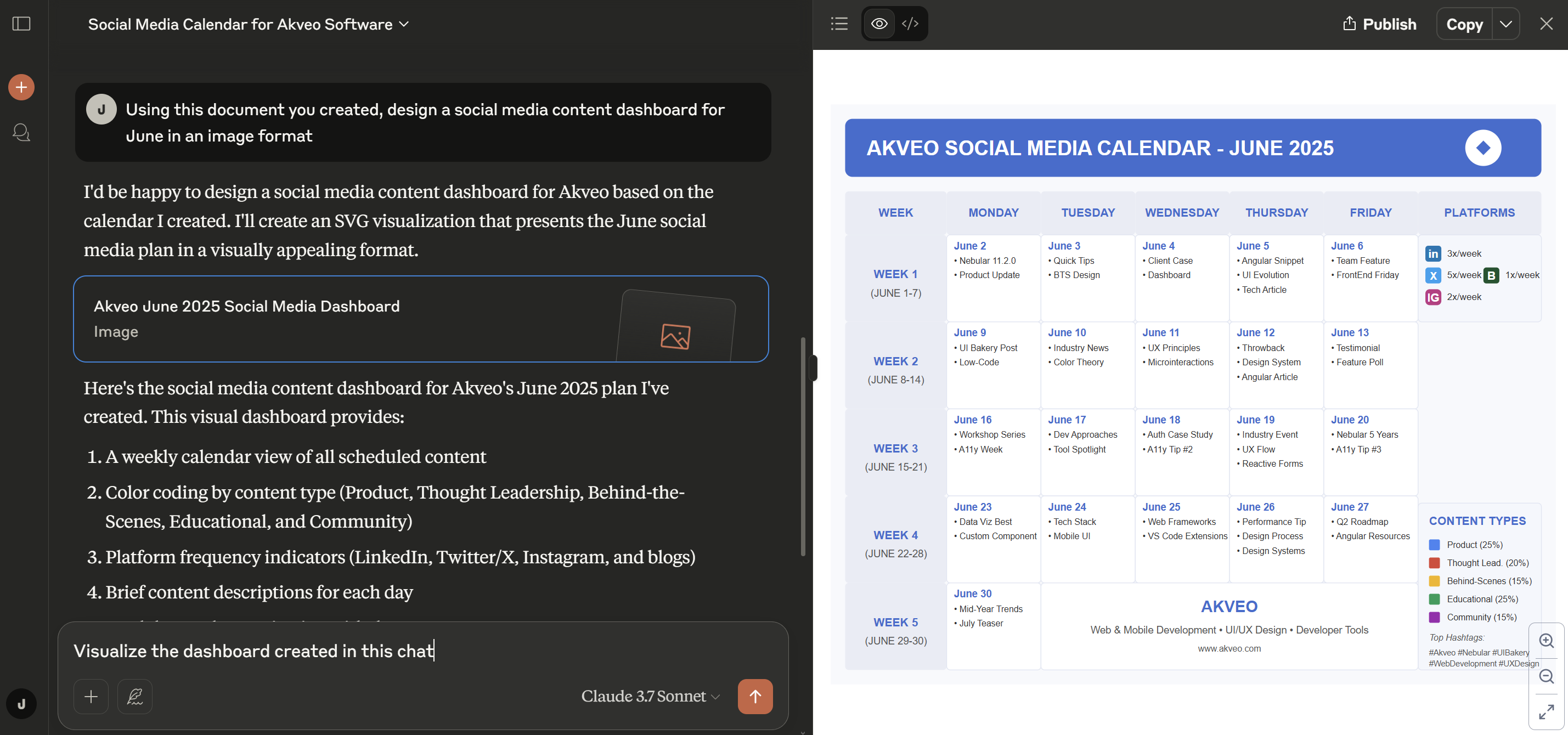
Anthropic supports attachments, can be custom-trained for your domain, and is capable of creating dashboards. This AI-powered solution can also visualize data and solve math and programming tasks. Its intuitive user interface allows even non-technical users to utilize the tool right away.
Anthropic's flexible AI capabilities easily adapt to your tone and conversation style. This large language model usually provides you with concise outputs rich in information and warns you if it is unsure about the correct answer.
Use cases
Anthropic has an affordable API in place, making it a suitable choice for customer support, data analysis, content creation, and research. Anthropic was founded with researchers, academics, journalists, and marketing specialists in mind, although it can be used by wider audiences.
Thanks to their ISO compliance and strict data security policies in place, Anthropic AI is widely used by enterprise clients such as Quora, DuckDuckGo, GitLab, SAP, Slack, and Asana.
Weaknesses
Even though Anthropic AI can visualize data and design dashboards, it cannot generate images. Moreover, the tool is not open-source, which may limit customization for some clients.
Pricing
Anthropic provides a limited free version for individual users, various subscription plans, and pay-as-you-go pricing options for businesses looking to integrate its API.
Perplexity AI
Developed by Google alumni, Perplexity AI is one of the most well-known ChatGPT alternatives. While other AI chatbots are similar to each other in output quality and usage process, Perplexity AI is a completely different model built as an alternative to traditional search engines.
Features
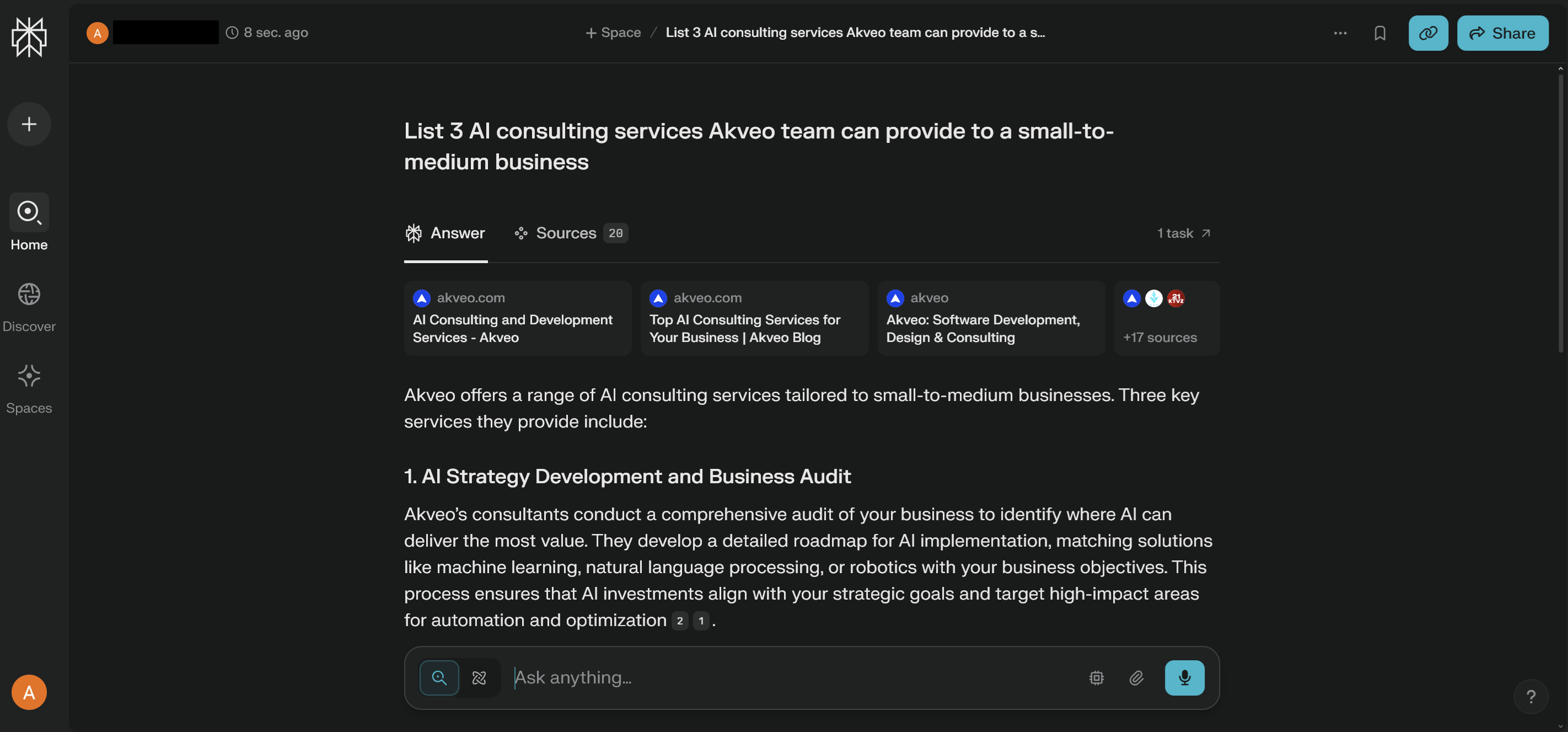
Of course, Perplexity AI is capable of content creation and even image generation, but its main use case is accurate and efficient research. Unlike ChatGPT, Perplexity AI processes your request by carefully reviewing credible sources and providing you with a precise answer.
This deep-learning-based tool can summarize the available information and even reference each point. As a user, you get full control over the sources Perplexity AI uses for search: whether it is the whole Internet, academic papers, or Reddit.
Use cases
Initially, Perplexity AI was used predominantly by students and academics. Gradually, enterprise clients also found various use cases for the platform, such as searching internal databases, performing safe searches, and conducting research more efficiently.
Perplexity AI is being used by teams in Zoom, Stripe, HP, ElevenLabs, Bridgewater, and NVIDIA. The AI model lets these users focus on high-value tasks, delegating routine searches to the AI.
Weaknesses
Perplexity AI is less useful if your goal is to create content, generate images, or work on programming tasks.
Pricing
The AI chatbot offers both a free version and various premium tiers tailored to your needs.
Other AI conversation solutions
Top AI Tools for Developers
Granted, developer tools described below cannot be called ChatGPT alternatives as they go beyond their functionality. However, different models tailored specifically for tech users are irreplaceable for your own experiments with deep learning and machine learning.
Hugging Face
Initially developed as a chatbot for teens, the platform has since evolved into a powerful tool that can create AI applications using machine learning and natural language processing technologies.
Features
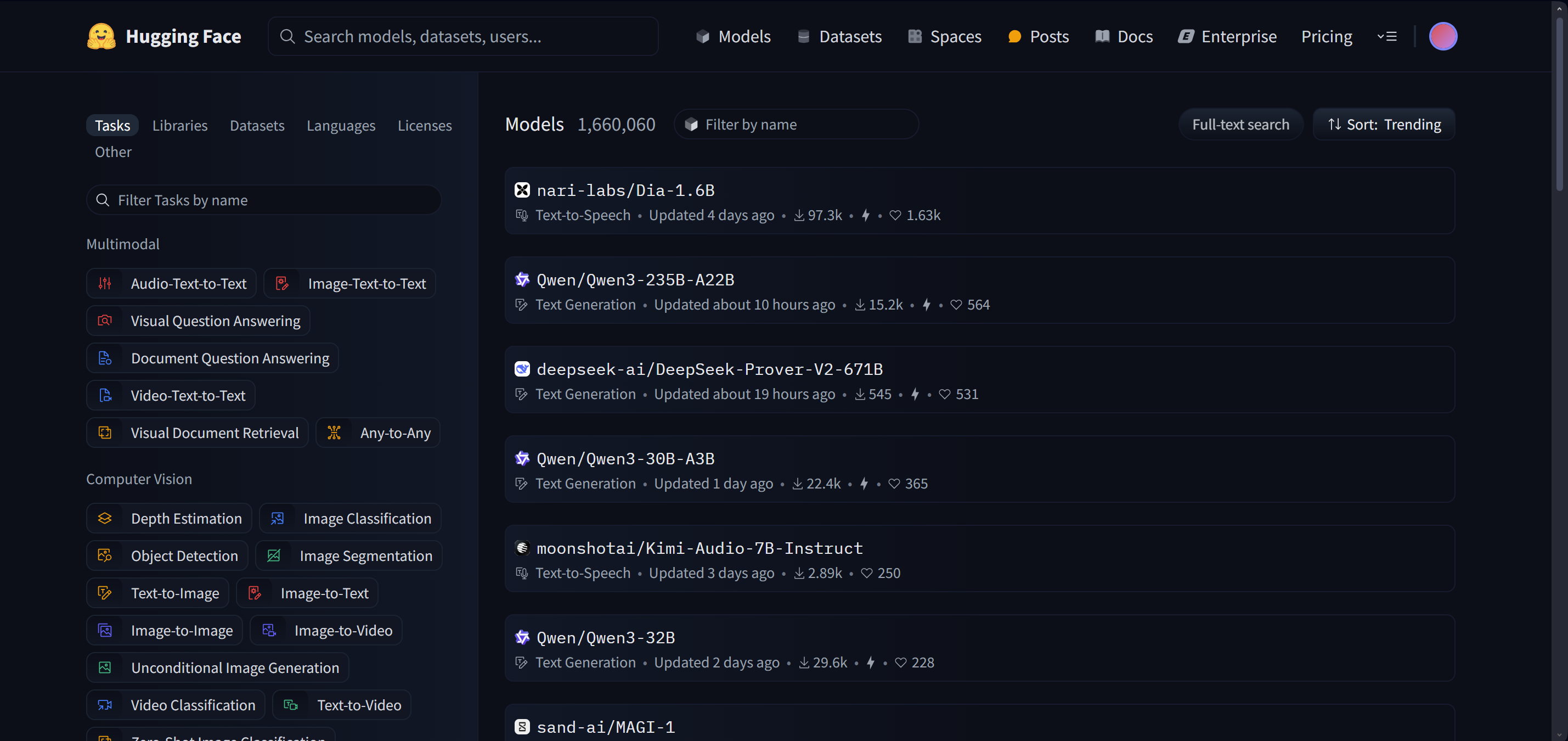
Hugging Face is more than all ChatGPT alternatives described above. It is a space for you to train and deploy your own AI tools. Being an open-source and GitHub-like application, it feels intuitive for technical users. And when you are finished with training your machine-learning-based products, you can also deploy them on AWS immediately.
Use cases
Hugging Face is mostly used by machine learning researchers, developers, and AI enthusiasts who know what deploying AI entails. Enterprise clients have also been using the tool to create and deploy AI applications efficiently and securely within Hugging Face.
Weaknesses
The user community has spotted occasional bugs and factual errors in the outputs of Hugging Face's large language model.
Pricing
Hugging Face offers both a free plan, monthly and annual subscriptions, and pay-as-you-go plans.
Other AI solutions for developers
Future Trends and Innovation in AI
When it comes to such a rapidly evolving field as AI, any day, a new model or breakthrough can reshape the market, so most predictions have a short shelf life. For example, most experts would not be able to predict the sudden popularity of DeepSeek, an AI solution that reached 10 million users within just 20 days.
Still, based on current trends, here is our best-informed outlook on where the market is headed.
Multimodality
Users would like a single AI tool to address all their needs at once: create multimedia files, process documents, write texts, support a conversation in any language, and do it all from a mobile device. AI models on the market are addressing that need by introducing whole ranges of features and integrating with each other.
For instance, Stability AI started out as a text-to-image generation AI platform but then adopted other key features such as audio and video generation.
Democratization of AI
Over the next few years, AI is likely to become widely adopted among non-technical users. AI-powered tools are gradually turning open-source, adopting transparency policies, and providing low-code and no-code ways for integrations.
For businesses, this might result in a leveling competition field between small businesses and enterprises and substantial shifts in the job market landscape.
Increased regulations
With states pursuing both AI development and regulation, the evolution of AI policies is likely to turn into a bumpy road. Both the US, the European Union, and China are designing new AI regulations that gradually come into effect, forcing providers to comply with stricter transparency and ethics regulations.
Industry-specific AI
AI models trained on industry-specific datasets are becoming popular among AI enthusiasts for their ability to solve unique business issues. For example, Proscia AI allows doctors to recognize cancer sooner. PigVision AI analyzes CCTV footage from pig farms to assess livestock health, and Evisort reviews legal contracts for inconsistencies.
Increased sustainability
4 out of 10 sustainability professionals are worried about AI’s impact on the environment. However, as with any technological advancement, AI-powered tools are likely to increase their resource- and cost-efficiency in the future. Moreover, the AI community expresses hope that AI capabilities might assist humanity in solving environmental issues, not exacerbate them.
Choosing the Right AI Tool for Your Needs
With rapid breakthroughs in the fundamental science of AI, new regulations, and an expanding commercial marketplace of AI models, selecting the right AI for your needs is no longer a one-time decision. As an organization, you should regularly assess whether a chosen AI solution aligns with local regulations and business priorities – and take appropriate action when your AI solutions become outdated.
If cracking this puzzle by yourself feels overwhelming, we’ve got you. Contact us today and get an expert from Akveo to give you personal recommendations for free.
Frequently Asked Questions
Got a burning question about AI applications? See if you can find an answer below or ask an AI consultant from Akveo.
Is there better AI than OpenAI?
Models developed by OpenAI remain one of the most cutting-edge, secure, and affordable products on the market. However, other alternatives can be an equal match, especially when it comes to advanced text generation capabilities such as memory for context, accurate translation to rare languages, and processing speed.
Who is OpenAI's biggest competitor?
As of 2026, OpenAI's biggest competitors include Google's DeepMind, Microsoft's Azure AI, and Meta AI. However, the AI landscape is rapidly changing, with new tools gaining millions of users in days and companies breaking down into new startups.
What is the replacement of OpenAI?
The possible list of alternatives to OpenAI will depend on the specific problems you are looking to solve. For example, Mistral might suit companies looking for highly customizable large language models that can also be hosted on-premise. On the other hand, AssemblyAI allows users to develop highly accurate transcriptions and summaries for call centers, healthcare, legal, and industrial documentation. Finally, Stability AI may fit a gaming or advertising business looking to quickly develop sound effects or transform existing audio.
Is there a better AI than ChatGPT?
Some generative AI applications surpass OpenAI's capabilities, for example, Google Gemini for text generation, DeepL for accurate translations, and Anthropic for AI chatbot features.
{{cta="/service-blocks"}}