


Today, there are different methodologies and approaches aimed at making app creation faster and more efficient. Businesses are continuously looking for new ways to optimize and automate their processes with advanced digital tools.
At the current moment, a lot of companies are trying to minimize their development costs by using low-code tools. Others are focused on changing their workflows by introducing DevOps practices. Both of these methods work well. But what if we say that low code and DevOps together can work even better? In this article, we will talk about this combination and its benefits.
However, before discussing low code DevOps use cases, it's worth considering these two practices separately. This will help us better demonstrate how they can be applied together and what results this duo can bring.
What is low-code app development?
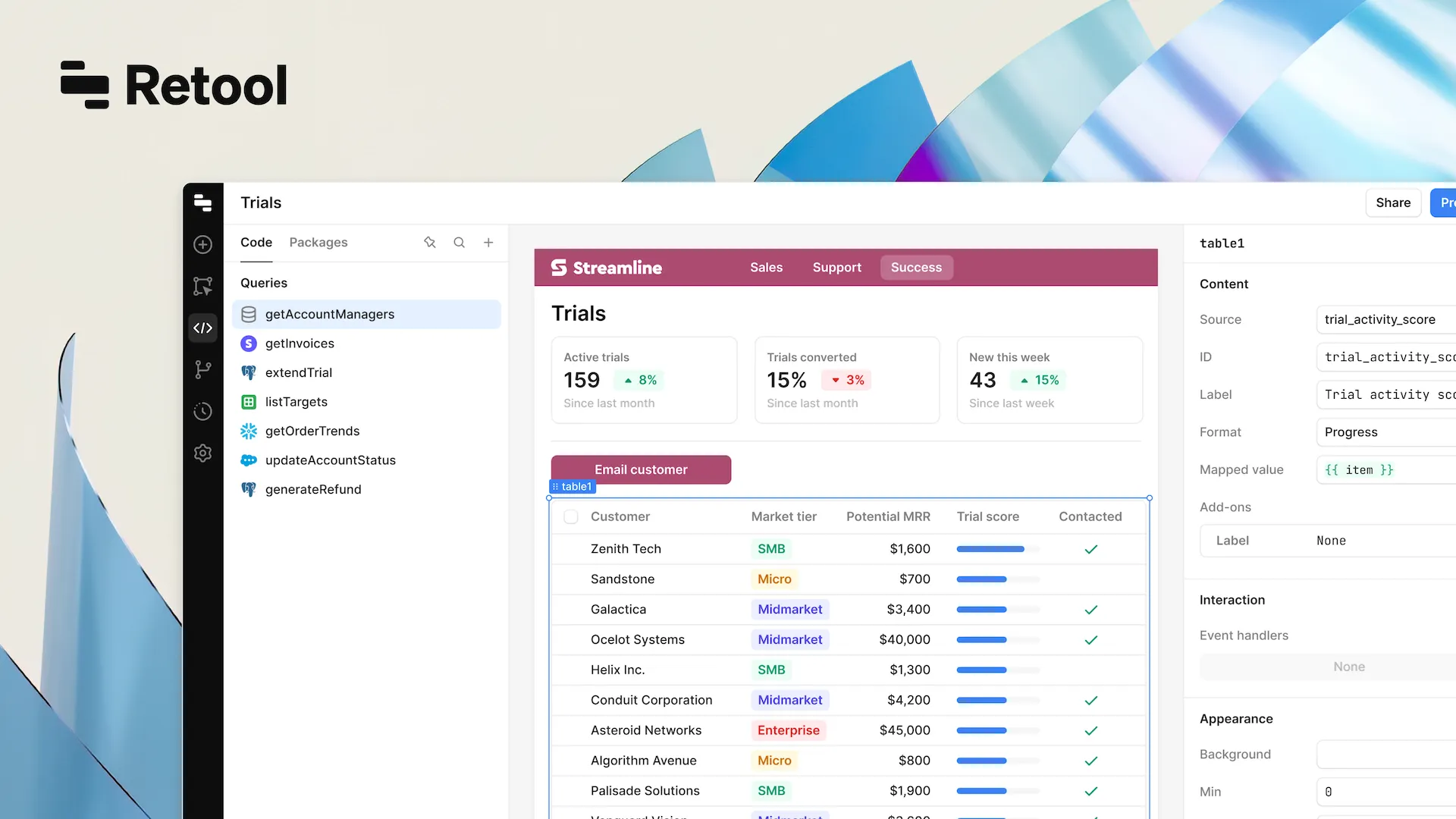
Low-code development is an approach that is used to create digital products with minimal manual coding. Low code environments typically offer a wide range of visual tools and graphical interfaces. They allow users, including citizen developers (non-tech experts), to build apps significantly faster than in the case of traditional programming.
The core idea of this concept is to democratize and facilitate the app creation process.
A low-code application development platform typically includes:
- A drag-and-drop interface. It helps to design workflows, user interfaces, and integrations.
- Pre-built templates and components. They can be re-used in multiple projects. Moreover, such platforms let developers customize these elements.
- Integrations. Low-code environments provide opportunities for connecting apps with cloud databases, business systems, and various third-party services. Moreover, when you want to connect two or more apps and ensure smooth data exchange between them, you can use a cloud-based low-code integration platform, like Hevo or Dataddo. With the help of these platforms, you won't need to write code for integration manually, you will only have to design the expected workflow visually.
- Logic-building features. They are intended for defining business rules and app behavior without the need to write complex code.
The low-code development approach can be chosen for building a wide range of solutions, including but not limited to business process automation tools, CRM platforms, ERP systems, customer-facing application services, mobile apps, and others.
What are the main benefits of using platforms of this kind?
- Faster deployment (in the majority of cases, it will be cloud deployment);
- Minimal (or zero) coding;
- Flexibility;
- Cost efficiency;
- Ease of maintenance.
On our blog, we talk a lot about low-code software development and platforms that can be used for it. For example, from our articles, you can learn more about the latest trends in the low code space, low-code platforms, examples of their use cases, as well as approaches to hiring low code experts.
{{cta}}
What is DevOps?
DevOps is more than just a set of tools or rules – it’s a way of working that helps developers and operations teams work better together. Instead of staying in separate lanes, they collaborate throughout the entire software development process.
The main goal? Build and release apps faster, without cutting corners on quality. To do that, DevOps combines the right processes with a shared mindset, focusing on things like continuous integration, continuous delivery, and always looking for ways to improve.
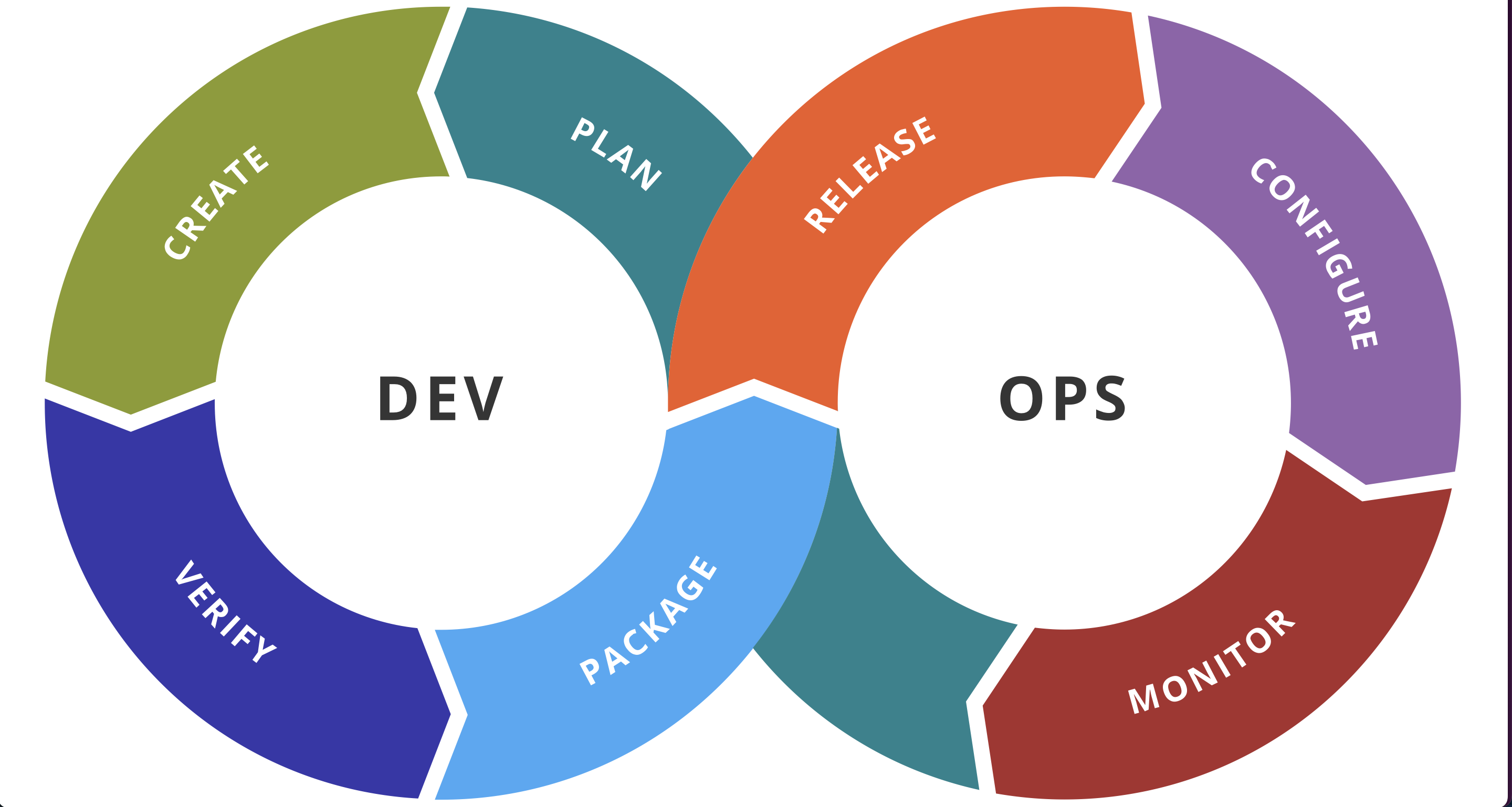
Key elements of the DevOps philosophy:
- Cultural shift. DevOps encourages developers and operations teams to share responsibility and truly work together. When you create an environment that makes collaboration easy and focused on results, it’s much easier for teams to align and move toward the same goals.
- Automation. The idea is to automate as many repetitive tasks as possible. For instance, many teams can successfully automate app testing, deployment (including cloud deployment), and performance monitoring. This helps to improve efficiency and minimize the risks of human error.
- Continuous integration (CI). In DevOps methodology, developers need to regularly merge all code changes introduced into a shared repository. This practice significantly facilitates the process of integrating new parts with the already existing code.
- Continuous delivery (CD). Deployments should be frequent and automated. Thanks to this, it is possible to ensure timely releases.
- Monitoring and feedback. As a rule, DevOps teams use monitoring solutions like Prometheus, Grafana, Opsgenie, and Pingdom. To improve the quality and efficiency of apps, it is possible to introduce feedback loops. This approach presupposes starting to gather immediate feedback already during development and deployment. This helps developers detect and address issues quickly before they escalate. Long-term feedback loops also include insights gathered over time in the post-deployed period.
- Scalability and reliability. One of the main principles of the DevOps philosophy is to create resilient systems solutions that can scale to meet changing demands. Moreover, DevOps experts always focus on disaster recovery and redundancy planning to achieve the desired level of reliability.
What is low-code DevOps? How can they be combined?
At first glance, it may seem that low code and DevOps can be used only separately and sometimes even replace each other. Nevertheless, that's not true. They can be applied together. And this combination is really worth the effort in its implementation.
Let's consider the low code DevOps advantages and the most common use case examples.
CI/CD pipeline introduction
A well-established CI/CD pipeline is essential for effective DevOps. It is responsible for ensuring the seamless flow of high-quality code.
Low-code solutions can facilitate this process. Here's what they can offer for a CI/CD pipeline:
- Pre-built connectors. Developers can streamline data integration, eliminate silos, and enable action on data without the necessity to migrate it.
- Reusable components. Ready-made workflows, business rules, integrations, and APIs save time and effort for teams.
- Rapid deployment. By integrating low-code principles, teams can ensure faster implementation of automation solutions.
- Better collaboration. The use of low-code platforms allows teams to break tasks into manageable sprints. Business users can easily visualize the structure of the created apps to better understand what changes other team members have introduced. This helps to increase transparency and enhance project management.
Better testing quality
Low code architecture simplifies error detection and bug fixing during early development. It means that such tasks require less time and effort in comparison to the complex analysis of manual code.
By integrating low-code into the DevOps lifecycle, all team members, not only tech experts, can participate in managing and updating software tests. Moreover, all of them can interpret and evaluate results. This collaboration between different teams greatly strengthens quality control and allows companies to deliver more secure and reliable software products and services.
Effective version control
The combination of low code and DevOps supports cloud-based version control integration and incident management. All this provides developers with a centralized and reliable source of documentation for efficient workflows.
Moreover, low code services allow users to set alerts for key events like application errors or performance drops. Thanks to this, teams can timely resolve detected issues.
App lifecycle management
Modern low-code platforms often include cloud-based application lifecycle management tools. They fully correspond to DevOps principles of continuous integration and continuous deployment. DevOps teams can track the performance of their solutions, streamline the testing process, and simplify debugging tasks.
Low-code platforms can become centralized cloud-based hubs for managing software. Teams can gain full oversight of all the created apps and workflows to better control the digital transformation process.

Benefits of low code DevOps
Here are the key outcomes that you can enjoy if you decide to rely on a low code software development platform and DevOps principles in your work with software.
Accelerated application development cycles
Low-code software development platforms will help to reduce or fully eliminate the necessity of manual coding. The DevOps methodology will ensure rapid prototyping, faster app integration, testing, and deployment even of complex applications.
As a result, you will be able to respond to changing demands fast with solutions tailored to your needs.
Enhanced collaboration between IT and business teams
With platforms supporting low-code principles, application development becomes accessible to non-technical specialists who don't have specialized coding skills (so-called citizen developers). It means that they can also contribute to software creation and modernization. Such platforms help professional developers better understand business processes and requirements.
DevOps environments support the implementation of shared responsibility and continuous feedback. Given this, it helps to maintain close cooperation between stakeholders during the development lifecycle.
Higher quality and reliability
Low code environments contribute to reducing human error with visual workflows and standardized components. This is an important step toward the general enhancement of software quality.
DevOps practices are based on continuous integration and delivery, as well as automated testing and deployment. This also helps to ensure error-free releases.
Scalability and flexibility
Low code and DevOps both make it easier for businesses to adapt their solutions to changing needs.
Low-code platforms allow teams to rapidly prototype and scale their solutions up and down without extensive manual coding. Thanks to low code architecture, companies can experiment with new ideas without lengthy development procedures.
DevOps also supports flexibility by prioritizing scalable infrastructure and cloud-native solutions.
Cost efficiency
Low code development is known as a budget-friendly approach to building apps. Reduced development time and the possibility of avoiding full reliance on specialized coding expertise are among the factors that can lower overall project costs.
DevOps practices can also optimize your development expenses. Automation of tasks reduces manual efforts. At the same time, employees can focus on strategic initiatives instead of routine processes.
Final word
DevOps practices and platforms for low-code development can be quite helpful for businesses when applied separately. But they can bring even more value when combined.
As you can see, both low code and DevOps approaches are aimed at making the development process more efficient, result-oriented, and fast. Both of them presuppose the necessity to establish strong ties between tech and non-tech teams. Both of them make it rather simple to introduce changes in apps and workflows that are required on a regular basis because the business world today is very dynamic.
If you need help with your software development and business process automation projects, feel free to contact our team. At Akveo, we have solid expertise in both low-code technologies and DevOps. We can help you efficiently combine these two approaches to leverage the highest value of their power!
{{cta="/service-blocks"}}